
Describe the property
Send the location, symptoms, equipment and access details. State whether the work is a repair, replacement or planned project.
Need duct cleaning in Hamilton? Tell us which air ducts, dryer vent or ventilation equipment need attention. A responding provider will confirm coverage and availability before booking.
Get A Free QuoteCompare a whole-system scope covering supply ducts, returns, registers, and accessible main trunks. Note finished areas or older duct sections that may affect tool access and ask what photographs will document.
View scopeScope the full route from the dryer connection to the exterior cap, including vertical sections and bends. Ask whether the vent material, access points, and airflow check are included.
View scopeAsk whether the proposed work covers the blower assembly, cabinet, evaporator coil, and condensate path. Equipment design, condition, and access determine the appropriate cleaning method.
View scopeCompare scope for the HRV core, screens, filters, drain path, and connected bathroom or kitchen exhaust runs. Unit model and route access affect what can be reached.
View scopeFirst identify the likely odour source and whether cleaning is appropriate. Request product and label details, target surfaces, application locations, and any re-entry directions.
View scopeAsk how leaks will be verified and whether the scope includes return-side seams, loose connections, or damaged runs. Photographs and identified repair locations help define the work.
View scopeCompare proposals by equipment and area, including rooftop units or make-up air systems where present. Confirm building access, scheduling constraints, exclusions, and required documentation.
View scopeCommercial ventilation projects require a scope based on the building’s equipment, operating schedule, access, and documentation needs. For a Hamilton property, gather equipment lists, roof-access requirements, available maintenance records, and any tenant or insurer specifications before requesting proposals. Ask whether the scope covers rooftop units, make-up air equipment, duct sections, and registers, and how work areas will be protected. The building’s layout and operating constraints affect sequencing and price, so compare written inclusions, exclusions, photographs, and completion notes rather than relying on a generic estimate.
Compare a whole-system scope covering supply ducts, returns, registers, and accessible main trunks. Note finished areas or older duct sections that may affect tool access and ask what photographs will document. Scope the full route from the dryer connection to the exterior cap, including vertical sections and bends. Ask whether the vent material, access points, and airflow check are included. Ask whether the proposed work covers the blower assembly, cabinet, evaporator coil, and condensate path. Equipment design, condition, and access determine the appropriate cleaning method.
Compare scope for the HRV core, screens, filters, drain path, and connected bathroom or kitchen exhaust runs. Unit model and route access affect what can be reached. First identify the likely odour source and whether cleaning is appropriate. Request product and label details, target surfaces, application locations, and any re-entry directions.
Ask how leaks will be verified and whether the scope includes return-side seams, loose connections, or damaged runs. Photographs and identified repair locations help define the work. Compare proposals by equipment and area, including rooftop units or make-up air systems where present. Confirm building access, scheduling constraints, exclusions, and required documentation.
Long or obstructed dryer vents can restrict exhaust airflow, and lint accumulation is a fire-safety concern. Before requesting work in Hamilton, note whether the laundry is in a basement or upper floor, where the exterior termination appears to be, and how many bends the route may contain. Photograph the dryer connection and outside cap if safely accessible. Ask whether the proposed scope follows the full vent from the appliance to its termination and whether airflow will be checked, since length, elbows, and access affect the work.
Explore this serviceSend the location, symptoms, equipment and access details. State whether the work is a repair, replacement or planned project.
The request is reviewed so the responding provider can clarify the work, property access and service coverage.
Agree the provider identity, qualifications, written scope, pricing and visit window directly. Sending a form does not confirm an appointment.
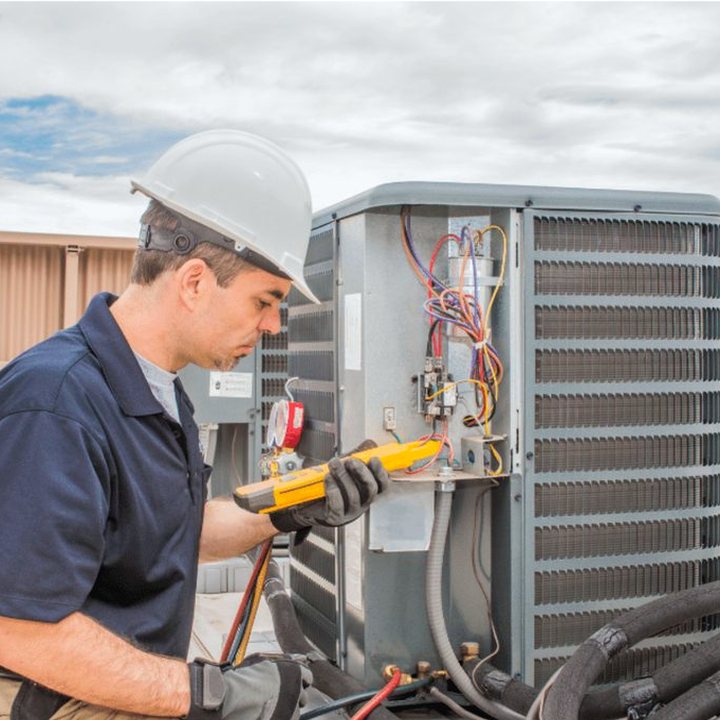
If rooftop units or make-up air equipment are present, identify them in the equipment list and ask whether they are included. Roof access, unit condition, and the number of systems can substantially change the scope. A site review and written equipment-by-equipment proposal help distinguish duct cleaning from separate mechanical repairs or other maintenance.
If a return duct or panned joist draws air from a cavity, a verified opening may allow dust or other debris into the system. Ask whether the suspected return path has been inspected and how any seal will suit the materials and location. Return-side conditions can change priorities, but a specific leak should be confirmed rather than inferred.
If your home has narrow access, a finished basement, older metal ducts, or retrofitted sections, point these out before work is scoped. Ask how the equipment will reach those areas and what limitations may apply. Duct size, material, and access can change the tools and time required, so a walkthrough or clear photos can help avoid assumptions.
Lint inside a vent can be combustible, so ask how the planned cleaning reaches the full route rather than only the short connection behind the dryer. Check the vent material and note any crushed or disconnected sections. Cleaning may remove lint, but damaged components or appliance problems can require separate assessment and should not be mistaken for a cleaning issue.
If the blower wheel is accessible and visibly coated, ask whether the proposed work includes removing the assembly or cleaning it in place. The design and condition of the equipment affect the method. Photograph the model label and surrounding components first; this helps identify access constraints and makes it easier to compare the quoted scope with the work described.
Use the form to describe the property, the symptoms and the work requested. For Stoney Creek, Ancaster, Dundas, Waterdown, include your postal code so local coverage can be checked.